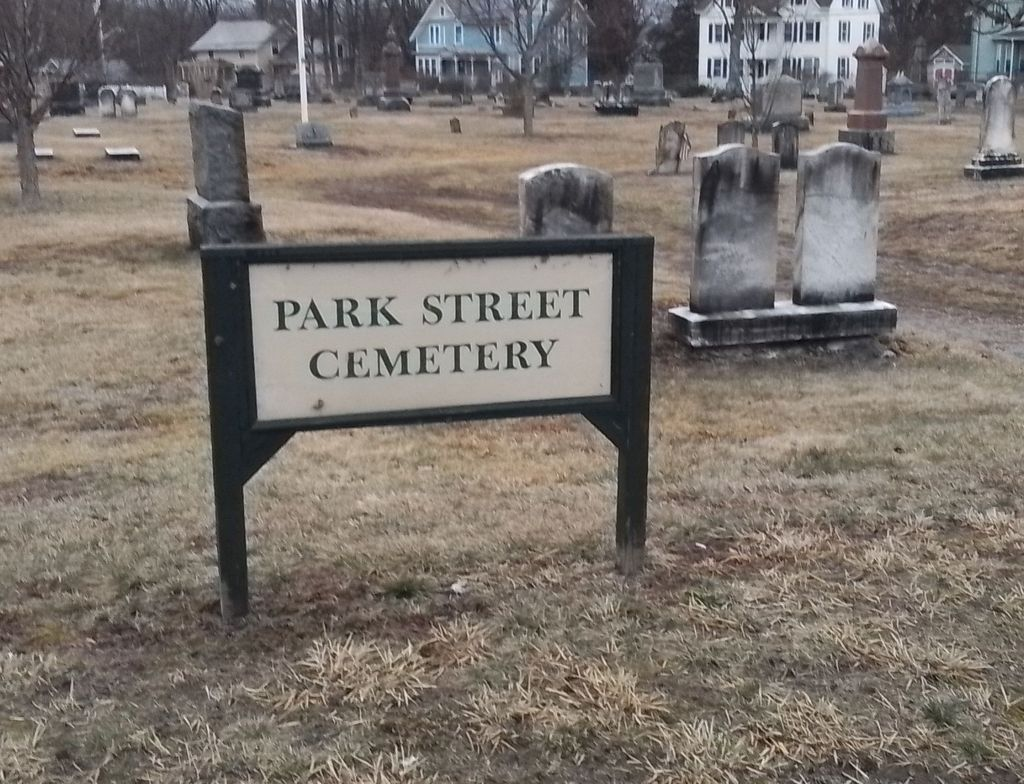
The Hyphen and the Entity: Bridging a Century in Park Street Cemetery
Originally published as a short entry entitled “The Hyphen Between the Dates,” on November 7, 2010 on the blog In Black and White: Cross-Cultural Genealogy; revised and expanded in 2026. Featured image courtesy of Robert Comeau.
Maya Angelou once said, “There is no greater agony than bearing an untold story inside you.” (I Know Why the Caged Bird Sings, 1969). She was speaking about the psychological trauma of forced silence; for me, however, the story was related to the trauma of losing a child.
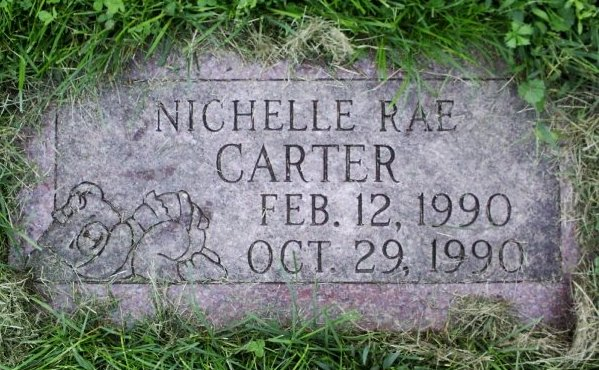
A gravestone doesn’t lend much space to record a person’s life. And while the engraver captured a bear cub with ruffled panties sleeping on a bed of pink granite beside her dates, most gravestones record a name, two dates and a hyphen. The hyphen takes up the least amount of space, yet it comprises a whole lifetime. For our daughter, the “invisible” hyphen represented eight and one-half months.
My silence was not forced. My words were withheld because if they had been released into the atmosphere, they would have revealed that my inner world was crumbling. I had too much at stake to allow that to occur. Two young children and a husband depended on me to maintain some semblance of normalcy so we could all survive.
About a year after our baby’s passing, a friend suggested that I should write a book about our experience. For years the emotions were too raw because when you get on with living you ultimately repress the most painful sparks of memory. About fifteen years later, I came across a small book on the bargain table at Barnes and Noble. By that time, I had been researching our family history for three years. I walked away and continued browsing but then found myself returning to it. Its title, Leaving a Trace: The Art of Transforming Life into Stories (Johnson, 2002), reminded me of that hyphen. I had journaled in college, not because I wanted to, but because it was required of all writing majors. More times than none I would wait until a day or two before the due date and fictionalize the week’s entries as fast as I could write . . . missing the whole purpose of daily writing exercise. The end result: a badly cramped hand and a fist-full of scrawled, meaningless pages. This book, however, completely transformed my perception of journaling.
At various intervals related to points of healing, I would think, “Now is the time to write that book.” I would collect my journals and begin the tale at a point leading up to the accident which ultimately took her life. Each successive attempt ended when I reached another raw moment, and so it continued for another eighteen years until I decided to apply for a spot in the Pioneer Valley Writers Workshop’s 10-Month Novel Manuscript Program.
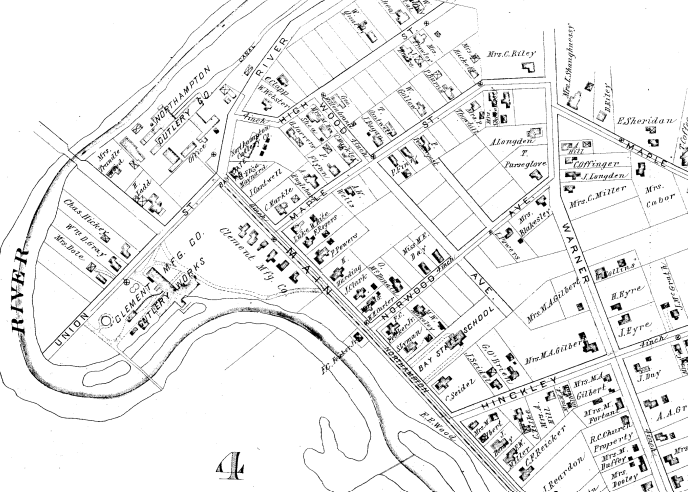
I chose to write it as a dual timeline with the stories set 100 years apart in the same community, with a supernatural twist at the convergence of the two. The 19th century story focused around a family of German immigrants who earned their living as craftsmen in a local factory. For their story, I decided to open with the main character in her later years, living with her aging second husband and her younger sister. My fellow authors fell in love with the couple, and remarked that the dialogue was natural and the scenes flowed vividly, but the story was lacking interiority. Could it have been because some emotions were still too raw to deal with objectively? It was as though I poured my heart into Show-Don’t-Tell, and there was little time for my main characters to reflect. After the workshop ended, I decided to set my manuscript aside until I could read it objectively to identify where I had gone wrong.
In 2025, I participated in Novel November. I took some classes on plotting and character arcs which helped me to see that I was starting from the wrong place. But I still didn’t know what to do with it.
One morning, I sat down with my laptop and had a very long discovery conversation with my AI. It responded to my queries with questions and prodding that felt more like a visit to a therapist’s office. We discussed other areas of loss and tied it in with generational family traumas. With my background in psychology, this felt like a natural path to explore. And then a dominant theme revealed itself in a way that I had never expected. The theme was not grief or loss, although many of the characters in the two stories had experienced their fill. It was really about the generations of strong women who held their families together! This pulled in specific cultural and ancestral sub-themes which simultaneously blended insight with emotional healing.
While I had always considered myself to be a Plotter, I realized now that the 1890 immigrant story had to begin just before the point of tragedy which completely upset the family constellation. In addition to this, it became obvious that both women, separated by a century, were being watched by the same eyes in that northeast corner of the cemetery.