
RECENT DISPATCHES

Why “Show-Don’t-Tell” Is Not Enough: Unlocking the Power of Historical Interiority
When I returned to the formal study of creative writing four decades after my undergraduate degree, the landscape felt both familiar and altered. The most striking addition to the modern literary lexicon was the word “interiority.” But what does it truly mean to move beyond “show-don’t-tell” and capture a character’s hidden truth? Join me as I explore how we can…
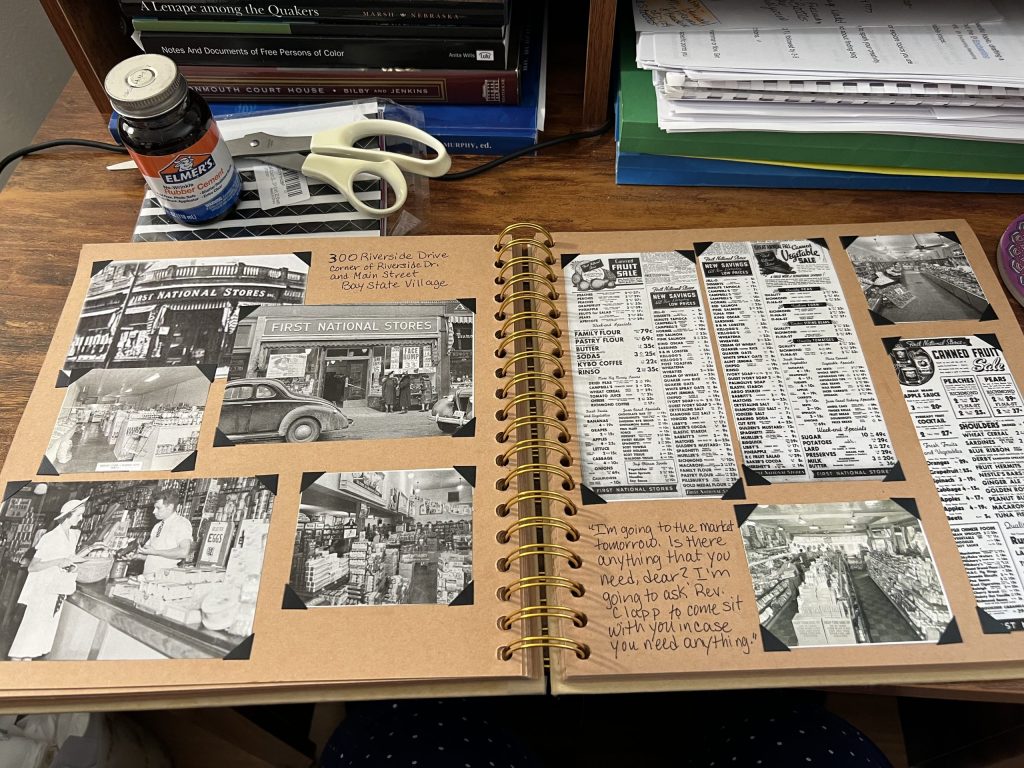
The Golden Thread: Why this scene didn’t make the cut
Writing historical fiction is a balancing act of research and intuition. While drafting my latest novel, I found myself deep in the 1930s—only to realize that a pivotal, meticulously researched scene was actually pulling me away from the story’s true heart. Here is a raw, ‘lost’ glimpse of 1930s Bay State Village and an inside look at why I made…
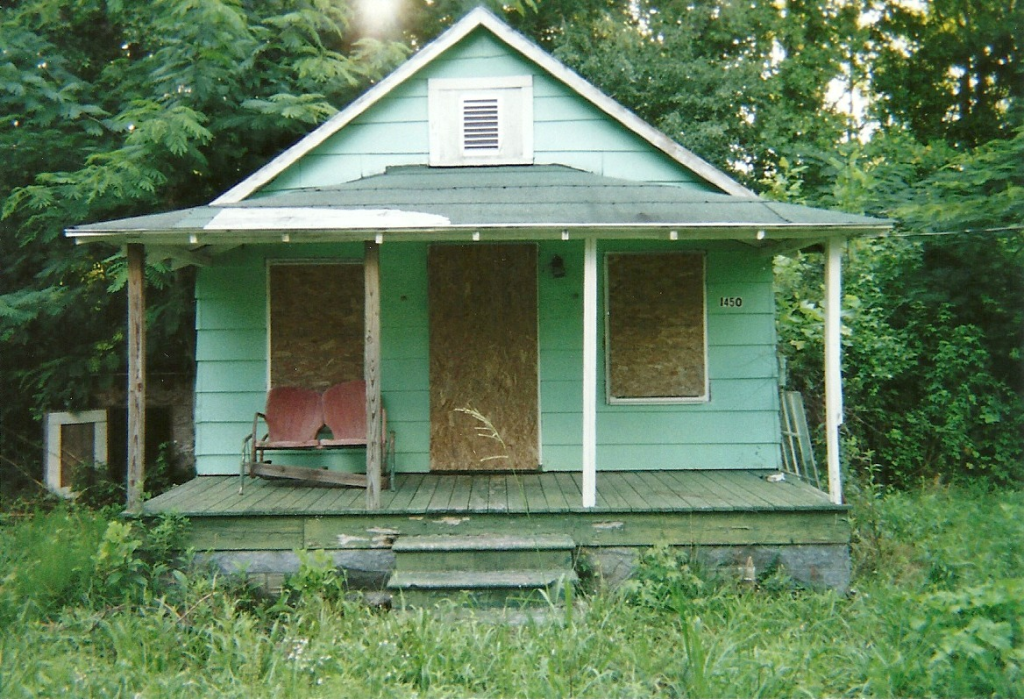
Blood on the Path: Deconstructing a Family Myth
For a century, a whispered legend of a 1926 shooting has clung to the Carter homeplace, shrouded in rumors of jealousy and illicit romance. But when the oral history is tested against the cold, hard facts of the archives, the truth behind the blood trail—and the man who died as a result—proves far more complex than the story passed down…
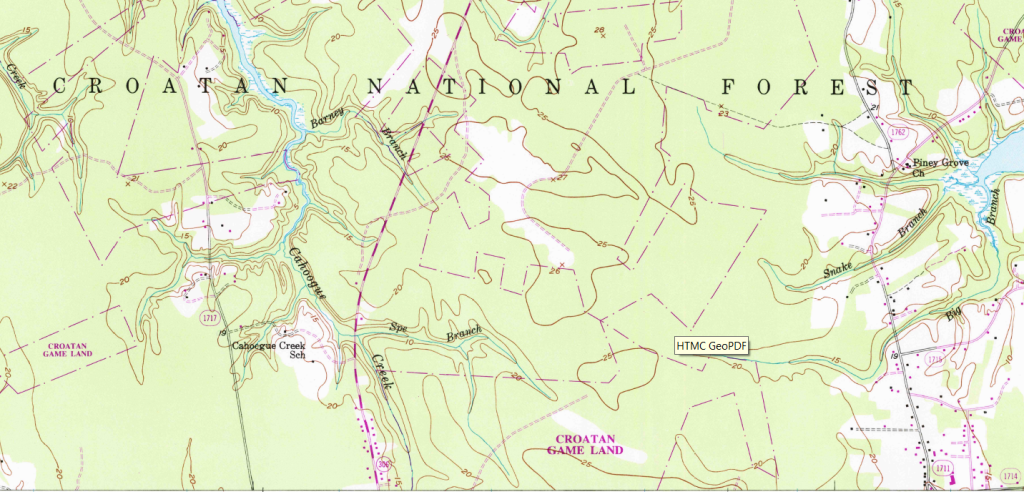
Finding Abraham Hyman, Sr.: The Silence of the Ledger
Originally published as a two-part series, “The Will of Thomas Hyman,” in July 2015 on the blog In Black and White: Cross-Cultural Genealogy; revised and expanded in 2026. In 2015, I was deeply immersed in a period of intentional skill-building, specifically researching Abraham Hyman, Sr. My goal was clear: I was preparing to “go on the clock” to assemble my portfolio…
IN-DEPTH CHRONICLES

The Architecture of a Life: Mapping Personae Through Historical Layers
Move beyond names and dates. This four-layer framework uses primary sources to ground character interiority in the historical record. Discover how participating in the 10-Month “Ink Masters” Program alerted me to my novel’s Kryptonite, and learn the specific research techniques you can use to bridge the gap between archival data and human experience.
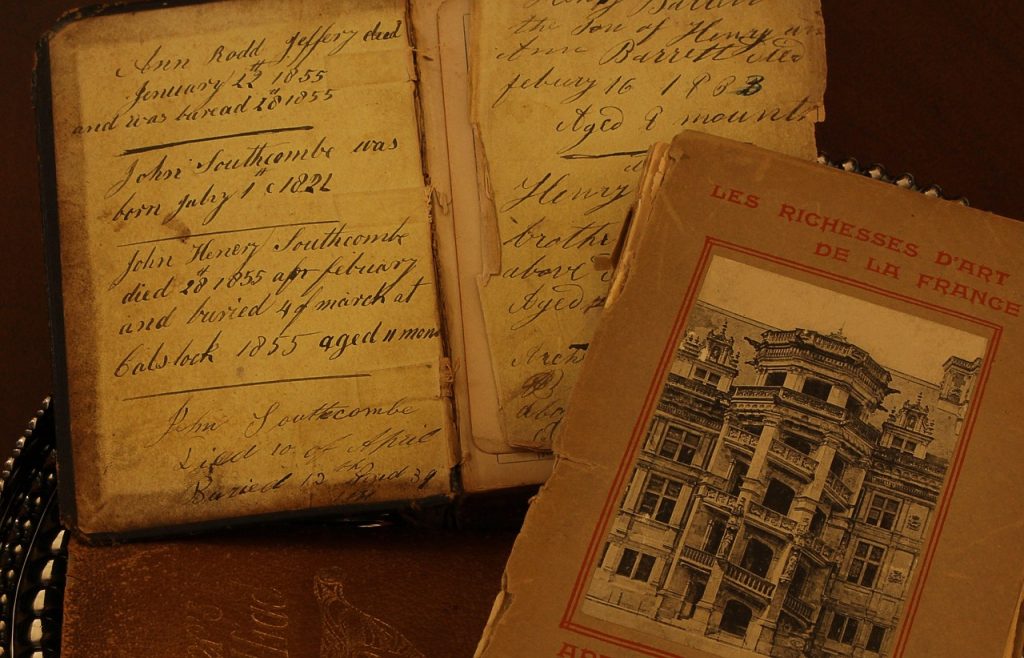
The Researcher’s Playbook for Personae Profiles
Learn how to bridge the gap between cold archival data and the living breath of a character. By applying psychological frameworks to fragments found in court records and legal bonds, we can reverse-engineer distinctive personalities and transform 19th-century skeletons into three-dimensional historical personae.